
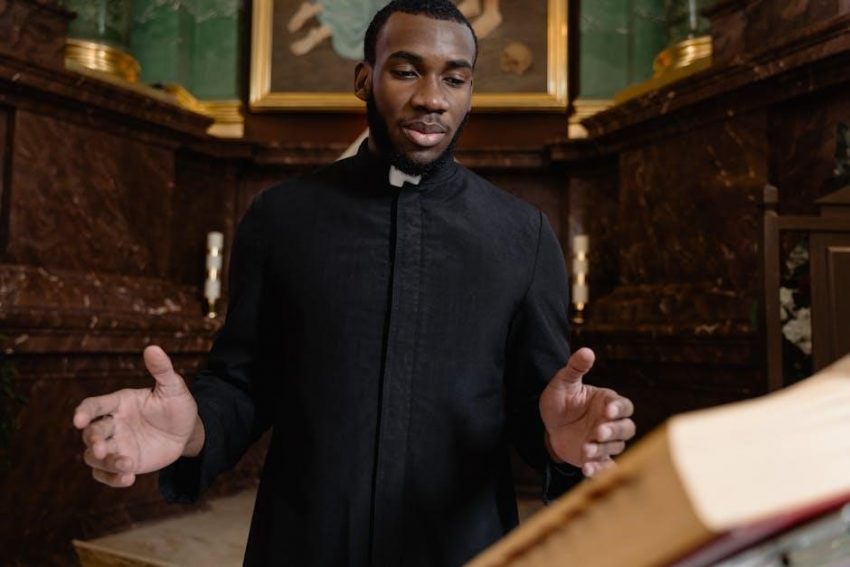
The pastor’s wife embodies a distinct calling‚ deeply intertwined with her husband’s shepherding role. She offers vital support—spiritually‚ emotionally‚ and practically—within the church community.
A. Defining the Pastorate and its Impact on Family
The pastorate‚ at its core‚ is a spiritual leadership role—a shepherding responsibility rooted in caring for a congregation’s well-being. This calling‚ however‚ extends far beyond the church walls‚ profoundly impacting the pastor’s family. The demands of ministry—spiritual guidance‚ administrative tasks‚ and consistent personal mentorship—create unique pressures.
A pastor’s home often becomes an extension of the church‚ blurring boundaries between professional duties and family life. This constant visibility and accessibility can lead to increased scrutiny and diminished personal time. The pastor’s wife‚ therefore‚ navigates a complex landscape‚ balancing her own needs and desires with the expectations of the church community. Her role isn’t merely supportive; it’s integral to the pastor’s effectiveness and the family’s spiritual health. Understanding this dynamic is crucial for both the church and the family involved‚ fostering realistic expectations and providing necessary support.
B. Scriptural Basis for the Pastor’s Wife’s Responsibilities
While the Bible doesn’t explicitly outline a “job description” for a pastor’s wife‚ several passages illuminate her expected virtues and contributions. The Proverbs 31 woman serves as a powerful archetype – demonstrating diligence‚ wisdom‚ and compassionate care for her household and community. This model transcends domesticity‚ showcasing a woman of influence and strength.
Furthermore‚ Titus 2 calls older women to mentor younger women‚ a principle readily applicable within a church setting. A pastor’s wife is uniquely positioned to fulfill this role‚ offering guidance and discipleship. 1 Peter 3 emphasizes the importance of a wife’s respectful and submissive spirit‚ not as a diminishment‚ but as a powerful witness. These scriptures‚ when understood contextually‚ reveal a biblical foundation for a pastor’s wife’s supportive‚ nurturing‚ and spiritually mature role‚ enhancing her husband’s ministry and impacting the church.
C. The Evolving Expectations of a Pastor’s Wife in Modern Ministry
Historically‚ expectations for a pastor’s wife were often narrowly defined‚ centering on domesticity and supportive roles. However‚ contemporary ministry witnesses a shift‚ acknowledging her diverse gifts and potential for leadership. While foundational biblical principles remain – like encouragement and hospitality – modern congregations increasingly recognize her capacity for teaching‚ discipleship‚ and even administrative involvement.
This evolution isn’t without challenges. Balancing traditional expectations with personal aspirations and professional pursuits requires discernment. The pressure to embody an idealized image can be immense. Yet‚ a healthy approach embraces her unique calling‚ allowing her to utilize her talents to serve the church effectively. A pastor’s wife today is often a vital co-laborer‚ offering a unique perspective and contributing significantly to the spiritual well-being of the congregation‚ alongside her husband’s pastoral duties.
II. Biblical Foundations for a Pastor’s Wife’s Duties
Scripture provides a framework for a pastor’s wife’s role‚ exemplified by virtuous women‚ mentorship models‚ and principles of respectful partnership within marriage and ministry.
A. Proverbs 31: The Virtuous Woman as a Model
The Proverbs 31 woman serves as a timeless archetype for godly womanhood‚ offering profound insights applicable to the life of a pastor’s wife. She isn’t defined by a singular role‚ but by a multifaceted character marked by diligence‚ wisdom‚ and strength. Her proactive nature in managing her household‚ engaging in business‚ and providing for her family demonstrates a powerful work ethic and resourcefulness.
However‚ her value extends beyond practical skills. The Proverbs 31 woman is deeply rooted in faith‚ fearing the Lord and prioritizing spiritual matters. This foundation informs her actions and shapes her influence. For a pastor’s wife‚ this translates to a commitment to personal spiritual growth‚ supporting her husband’s ministry through prayer‚ and embodying integrity in all she does. She is a woman of compassion‚ extending kindness to the needy and offering a welcoming spirit to others.
Ultimately‚ the Proverbs 31 woman isn’t presented as an unattainable ideal‚ but as a portrait of a woman who intentionally lives out her faith in every aspect of her life‚ becoming a blessing to her family and community.

B. Titus 2: Older Women Mentoring Younger Women – Application to Ministry
The passage in Titus 2 provides a clear directive for older‚ more mature women to mentor younger women in the faith‚ a principle directly applicable to the role of a pastor’s wife. This isn’t merely about imparting information‚ but about modeling a life of godly character – loving husbands‚ bearing children‚ being sensible‚ pure‚ and managing households effectively.
A pastor’s wife‚ possessing experience and spiritual maturity‚ is uniquely positioned to fulfill this mentoring role within the church. She can offer guidance on navigating marriage‚ motherhood‚ and the challenges of Christian living. This mentorship extends to discipleship‚ helping younger women grow in their faith and discover their gifts for ministry.
By investing in the lives of younger women‚ the pastor’s wife fosters a strong‚ supportive community within the church‚ equipping the next generation of female leaders and strengthening the overall fabric of the congregation. It’s a powerful example of intergenerational wisdom and grace.
C. 1 Peter 3:1-6: Submissiveness and Respect in Marriage & Witness
1 Peter 3:1-6 addresses the dynamic within Christian marriage‚ emphasizing wifely submission and respectful conduct. This isn’t about inferiority‚ but about a mutual honoring that reflects Christ’s relationship with the church. A pastor’s wife‚ living under public scrutiny‚ exemplifies this principle‚ supporting her husband’s leadership while maintaining her own dignity and faith.
Her respectful demeanor and gentle spirit become a powerful witness to those observing her marriage. It’s a living testimony to the transformative power of the Gospel. Furthermore‚ the passage highlights the importance of inner beauty – a gentle and quiet spirit – which is far more valuable than outward adornment.
This inner character radiates and influences those around her‚ drawing others to Christ. By embodying these virtues‚ the pastor’s wife strengthens her marriage and enhances her husband’s ministry‚ becoming a compelling example of Christian womanhood.
III. Core Duties: Supporting Her Husband’s Ministry
A pastor’s wife provides crucial spiritual and emotional backing‚ navigating ministry pressures together. She manages household and ministry demands‚ offering encouragement and partnership.
A. Spiritual Partnership: Prayer and Encouragement
The foundation of a pastor’s wife’s support lies in a deep spiritual partnership with her husband. This manifests powerfully through consistent‚ fervent prayer – interceding not only for his well-being but also for his sermons‚ leadership decisions‚ and the congregation he serves. She is a vital prayer warrior‚ covering him and the ministry in supplication.
Beyond prayer‚ a pastor’s wife offers invaluable encouragement. Ministry can be incredibly demanding‚ filled with both joys and sorrows. She provides a safe space for him to share burdens‚ celebrate victories‚ and receive honest feedback. Her belief in his calling‚ coupled with her gentle yet firm encouragement‚ sustains him through challenging seasons. She understands the unique pressures he faces and can offer perspective rooted in love and shared commitment to God’s work. This partnership isn’t about enabling‚ but about empowering him to fulfill his God-given purpose.
A godly wife brings a healthy perspective to a pastor’s call‚ offering wisdom and discernment. When pastors confide in their spouses‚ it strengthens their leadership and fosters a deeper connection.
B. Emotional Support: Navigating the Pressures of Ministry
The pastoral life is uniquely susceptible to emotional strain. A pastor’s wife serves as his primary emotional anchor‚ offering unwavering support amidst the inherent pressures of ministry. She understands the weight of caring for a congregation‚ the demands of constant availability‚ and the potential for criticism. Her role is to create a safe haven where he can be vulnerable‚ share his struggles‚ and receive unconditional love.
This support extends to actively listening without judgment‚ offering empathetic understanding‚ and gently challenging him when needed. She helps him process difficult situations‚ navigate conflicts‚ and maintain a healthy emotional equilibrium. Recognizing the toll ministry takes‚ she encourages self-care and boundaries‚ protecting his well-being.

A pastor’s wife frequently fulfills a supportive role‚ deeply involved in her husband’s ministry. Upholding emotional support is crucial‚ as ministry can be incredibly taxing‚ requiring a strong partnership built on trust and compassion.
C. Practical Support: Managing Household and Ministry Demands
Beyond spiritual and emotional support‚ a pastor’s wife often shoulders significant practical responsibilities. This encompasses managing the household‚ ensuring a stable home life amidst the unpredictable demands of ministry. She may oversee childcare‚ meal preparation‚ and household finances‚ creating a nurturing environment for her family.

Furthermore‚ she frequently assists with the logistical aspects of ministry – coordinating events‚ managing schedules‚ and handling correspondence. Her organizational skills and attention to detail are invaluable in supporting her husband’s work. This practical assistance frees him to focus on his primary calling: spiritual leadership and pastoral care.
Effectively balancing these demands requires intentionality‚ prioritization‚ and a willingness to delegate when possible. A pastor’s wife skillfully navigates these roles‚ understanding that a well-managed home and ministry contribute to her husband’s effectiveness and overall well-being.
IV. Ministry Involvement & Leadership Roles
A pastor’s wife frequently engages directly in ministry‚ offering gifts of service‚ teaching‚ encouragement‚ and leadership within the church community‚ impacting many lives.
A. Women’s Ministry Leadership: Teaching and Discipleship
A significant avenue for a pastor’s wife’s ministry lies in leading and nurturing the women of the congregation. This encompasses a commitment to biblical teaching and intentional discipleship‚ fostering spiritual growth and maturity among women of all ages. She can facilitate Bible studies‚ small groups‚ and mentoring relationships‚ creating a safe space for vulnerability‚ encouragement‚ and accountability.
Her role isn’t merely instructional; it’s relational. By modeling a life of faith and character‚ she exemplifies the truths she teaches. This leadership extends to equipping women to discover and utilize their own spiritual gifts‚ empowering them to serve effectively within the church and their communities. She can offer her gift of truth-telling‚ service‚ and encouragement. Effective women’s ministry‚ under her guidance‚ strengthens the entire church body‚ promoting unity and a shared commitment to Christ.
B. Hospitality and Welcoming Newcomers
Extending warm hospitality is a cornerstone of a pastor’s wife’s ministry‚ reflecting the welcoming heart of Christ. She plays a crucial role in making newcomers feel valued and integrated into the church family. This involves more than simply greeting visitors; it’s about creating a genuine sense of belonging and connection.
She can organize welcoming events‚ facilitate introductions‚ and follow up with new attendees to ensure they feel seen and supported. Her home can become a haven for fellowship‚ offering a space for meals‚ conversation‚ and building relationships. This practical expression of love demonstrates the church’s commitment to community and provides opportunities for spiritual conversations. A welcoming atmosphere‚ cultivated through her efforts‚ breaks down barriers and invites others to experience the transforming power of the Gospel. It’s a vital ministry that often leaves a lasting impression.
C. Serving as a Role Model of Faith and Character

A pastor’s wife inherently lives under a spotlight‚ making her conduct a powerful testimony. She is called to exemplify unwavering faith‚ integrity‚ and Christ-like character in all aspects of her life. This isn’t about perfection‚ but about authentic vulnerability and a consistent pursuit of spiritual growth.
Her actions‚ words‚ and attitudes become a visible expression of the Gospel message‚ influencing those around her. She models godly womanhood‚ demonstrating grace‚ humility‚ and a genuine love for others. This includes navigating challenges with resilience‚ maintaining a strong prayer life‚ and prioritizing her relationship with God. By living out her faith authentically‚ she inspires others to deepen their own commitment to Christ and provides a compelling example of a life transformed by His grace. It’s a quiet yet profound ministry of influence.

V. Navigating Challenges & Maintaining Boundaries
Pastoral ministry brings unique pressures; a wife must skillfully handle criticism‚ protect family time‚ and uphold confidentiality—essential for well-being and ethical service.
A. Dealing with Criticism and Gossip
The life of a pastor’s wife inevitably invites scrutiny‚ and unfortunately‚ often criticism and gossip. A biblical response requires a foundation of inner strength and reliance on God’s grace. Proverbs 19:29 reminds us that judgment belongs to the Lord. Therefore‚ she must resist the urge to defend herself or engage in retaliatory speech.
Developing a thick skin isn’t the goal; rather‚ cultivating a heart focused on Christ and a commitment to truth is paramount. She should prayerfully consider the source and validity of criticism‚ discerning whether there’s any truth to learn from. However‚ baseless gossip should be dismissed with grace and wisdom.
Surrounding herself with trusted‚ godly friends for accountability and support is crucial. Sharing burdens with a mentor or small group can provide perspective and encouragement; Ultimately‚ her confidence rests not in the opinions of others‚ but in her relationship with God and her husband’s faithful leadership.
B. Protecting Family Time and Personal Well-being
The demands of ministry can easily encroach upon a pastor’s wife’s personal life and family time. However‚ prioritizing these areas isn’t selfish; it’s essential for long-term health and effectiveness in ministry. Establishing clear boundaries is vital. This includes scheduling dedicated family time‚ protecting evenings and weekends‚ and learning to say “no” to commitments that overextend her capacity.
Self-care isn’t a luxury‚ but a necessity. Engaging in activities that nourish her spirit – whether it’s reading‚ exercise‚ hobbies‚ or quiet time with God – is crucial. A depleted wife cannot effectively support her husband or minister to others.
Open communication with her husband about needs and limitations is paramount. Together‚ they must create a rhythm that honors both their calling and their family’s well-being. Remember‚ a healthy family provides a strong foundation for a thriving ministry.
C. Maintaining Confidentiality and Pastoral Ethics
A pastor’s wife often becomes a confidante to many within the congregation‚ privy to sensitive personal information. Maintaining strict confidentiality is paramount‚ mirroring the ethical standards expected of her husband. Loose lips can erode trust and cause significant harm. She must understand that what is shared in confidence remains confidential‚ unless there’s a legal or ethical obligation to disclose it (like suspected abuse).
She should avoid engaging in gossip or discussing pastoral matters outside the immediate family. Discretion and wisdom are key. Supporting her husband’s ethical stance and upholding the integrity of the pastoral office are crucial aspects of her role.
Furthermore‚ she must be mindful of appropriate boundaries in all relationships‚ avoiding any appearance of impropriety. Upholding these ethical standards demonstrates a commitment to Christ-like character and strengthens the church’s witness.

VI. Resources and Support for Pastor’s Wives
Pastors’ wives thrive through mentorship‚ peer groups‚ and continued education. Access to counseling offers vital support‚ fostering spiritual growth and personal well-being in ministry.
A. Mentorship and Peer Support Groups
Navigating the unique demands of a pastor’s wife requires intentional support systems. Mentorship from seasoned women in ministry provides invaluable guidance‚ offering wisdom gleaned from years of experience. These mentors can help process challenges‚ discern God’s calling‚ and maintain a healthy spiritual life amidst the pressures of ministry.
Peer support groups‚ comprised of other pastor’s wives‚ create a safe space for vulnerability and encouragement. Sharing experiences‚ offering prayer‚ and collectively addressing common struggles fosters a sense of community and combats isolation. These groups allow for honest conversations about the joys and difficulties inherent in the role‚ normalizing the challenges and celebrating the victories.
Finding a mentor or joining a support group isn’t a sign of weakness‚ but rather a proactive step towards self-care and effective ministry. It acknowledges the need for connection and recognizes the power of shared wisdom in fulfilling God’s calling.
B. Continuing Education and Spiritual Growth Opportunities
A pastor’s wife’s spiritual vitality is paramount‚ necessitating a commitment to ongoing learning and growth. This extends beyond simply maintaining personal devotion; it involves actively seeking opportunities to deepen biblical understanding and refine ministry skills. Workshops‚ seminars‚ and theological courses equip her to better serve alongside her husband and within the church community.
Continuing education isn’t solely academic. It encompasses exploring areas like counseling techniques‚ communication skills‚ and leadership principles. Spiritual growth opportunities‚ such as retreats‚ conferences‚ and intentional Bible study‚ nurture her relationship with God and provide renewed vision for her role.
Investing in personal and professional development demonstrates a dedication to excellence and a desire to fulfill God’s calling with competence and grace. It also models a lifelong learning attitude for those she mentors and serves.
C. Access to Counseling and Professional Help
The unique pressures of ministry life can significantly impact a pastor’s wife’s emotional and mental well-being. Recognizing this‚ access to confidential counseling and professional support is crucial‚ not as a sign of weakness‚ but as a proactive step towards maintaining health. Ministry demands often blur boundaries‚ leading to potential burnout‚ stress‚ and relational strain.
Seeking guidance from a qualified Christian counselor provides a safe space to process challenges‚ develop coping mechanisms‚ and navigate difficult situations. Professional help can address issues like vicarious trauma‚ public scrutiny‚ and the complexities of balancing family life with ministry responsibilities.
Furthermore‚ access to legal or financial advisors may be necessary when dealing with church-related matters. Prioritizing self-care and seeking support demonstrates wisdom and ensures long-term effectiveness in ministry.