

Bike Frame Size Guide: Finding Your Perfect Fit (Inches)
Finding the right bike frame size is crucial for comfort and efficiency; seat tube length dictates bike size, impacting saddle height.
Beware of brand variations – a ‘large’ isn’t universally standardized! Consider a professional bike fit for optimal results.
Understanding Bike Sizing Basics
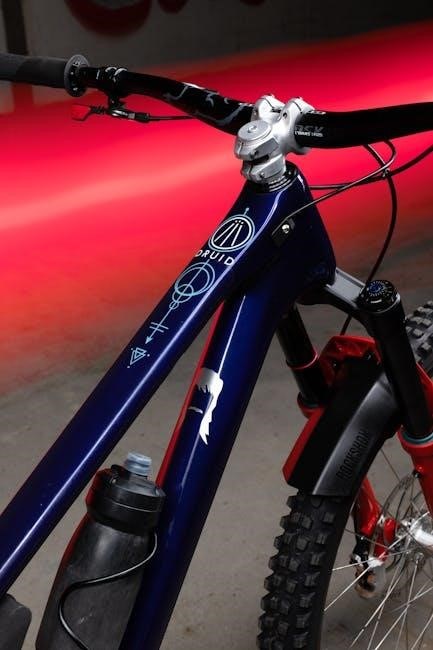
Bike sizing fundamentally revolves around the seat tube length, measured from the center of the bottom bracket to the top of the seat tube. A longer seat tube generally indicates a larger frame, allowing for a higher saddle position and accommodating taller riders. Conversely, a shorter seat tube suits smaller individuals. However, it’s vital to recognize that sizing isn’t universally consistent across brands.
What might be a ‘large’ in one manufacturer’s lineup could differ significantly from another. This inconsistency stems from varying geometry and design philosophies. Therefore, relying solely on size labels can be misleading. A precise approach involves understanding key measurements and considering individual body proportions. The traditional method involves deducting 9 to 10 inches from your inseam to estimate the appropriate frame size, but this is a starting point, not a definitive answer.
Why Frame Size Matters
Selecting the correct bike frame size profoundly impacts your riding experience, influencing everything from comfort and efficiency to handling and injury prevention. An improperly sized bike can lead to strain on your back, knees, and neck, causing discomfort and potentially long-term health issues. A frame that’s too large can make the bike feel unwieldy and difficult to control, while a frame that’s too small can result in a cramped and uncomfortable riding position.
Optimal frame size ensures proper leg extension, efficient power transfer, and a natural reach to the handlebars. This translates to reduced fatigue, increased speed, and a more enjoyable ride. Ignoring frame size can negate the benefits of even the most expensive components. It’s a foundational element of a well-fitted bike, directly affecting your ability to ride comfortably and safely.
The Importance of Seat Tube Length
Seat tube length is the primary measurement used to determine bike frame size, directly correlating to the bike’s overall size and your seated height. A longer seat tube allows for a higher saddle position, crucial for efficient pedaling and preventing knee strain. Conversely, a shorter seat tube necessitates a lower saddle, potentially hindering power output and comfort.
This measurement, running from the center of the bottom bracket to the top of the seat tube, dictates standover height – the clearance between you and the top tube when standing over the bike. Adequate standover height is vital for safety, allowing you to dismount quickly in emergencies. However, remember that seat tube length isn’t the sole determinant of fit; other factors like torso length and arm reach also play significant roles.
Brand Variations in Sizing
Bike sizing isn’t standardized across all manufacturers; a “large” frame from one brand may differ significantly from a “large” from another. This inconsistency stems from varying geometry philosophies and design approaches. Trek, for example, might size their large frames differently than Specialized or Cannondale, even for bikes within the same category – road, mountain, or hybrid.
Therefore, relying solely on size labels can be misleading. Always consult the specific brand’s size chart and, ideally, test ride bikes from different manufacturers to compare fit. Don’t assume your usual size will translate perfectly. It’s crucial to prioritize how a bike feels rather than fixating on the labeled size. A professional bike fit can help navigate these variations and ensure you select the most appropriate frame, regardless of the brand.
Professional Bike Fitting: A Recommended Step
Investing in a professional bike fit is highly recommended, especially if you’re unsure about sizing or experience discomfort while riding. A qualified bike fitter assesses your body measurements, flexibility, and riding style to determine the optimal frame size and component adjustments.
This process goes beyond simply matching height to a chart; it considers factors like torso length, arm reach, and inseam. A fitter will analyze your biomechanics on a stationary trainer, observing your pedal stroke and posture. They’ll then adjust saddle height, handlebar position, and stem length to maximize efficiency and minimize strain;
A proper fit can prevent injuries, improve performance, and enhance overall riding enjoyment. It’s particularly valuable if you’re a serious cyclist or have specific physical limitations. Don’t hesitate to seek expert guidance – it’s a worthwhile investment in your cycling experience.

Key Bike Measurements for Fit
Essential bike measurements include wheel size, the center of the bottom bracket to the seat tube, and calculating frame size from your inseam—deducting 9-10 inches is typical.
Wheel Size and Its Impact
While not the primary determinant of frame size, wheel size significantly influences a bike’s handling and overall feel. Traditionally, wheel sizes included 26-inch, 27-inch, and now predominantly 29-inch options, with 27.5-inch (650b) also common, particularly in mountain biking. The 27-inch wheel is largely considered obsolete, so avoiding bikes equipped with them is generally advisable.
Larger wheels, like 29-inch, roll over obstacles more easily and maintain momentum better, making them popular for off-road riding. Smaller wheels, such as 27.5-inch, offer increased maneuverability and quicker acceleration. However, the impact of wheel size on frame size itself is minimal; it doesn’t directly dictate the seat tube length or overall bike geometry. Focus primarily on achieving the correct frame size based on your inseam and body proportions, and then consider wheel size based on your riding style and terrain preferences.
Center of Bottom Bracket to Seat Tube: The Core Measurement

This measurement is fundamentally what defines a bike’s size, often referred to simply as “the size of the bike.” It represents the distance from the center of the bottom bracket (where the cranks attach) to the top of the seat tube; Bike frame size charts commonly utilize this measurement to categorize bikes, allowing riders to find a suitable fit based on their height and inseam.
Understanding this core measurement is vital when comparing bikes across different brands. While sizing conventions exist, variations are common. A “medium” frame from one manufacturer might differ slightly from a “medium” from another. Therefore, relying solely on size labels can be misleading. Instead, prioritize knowing this specific measurement and comparing it directly to frame geometry charts. This ensures a more accurate assessment of whether a bike will fit your body proportions correctly, leading to a comfortable and efficient riding experience.
Calculating Frame Size from Inseam
Determining your inseam is a crucial first step in calculating your ideal bike frame size. This isn’t your trouser inseam; measure while standing in stocking feet, with your back against a wall. A reliable method involves subtracting 9 to 10 inches from your inseam measurement. This deduction accounts for the space between the saddle and your crotch while pedaling.
For example, a 30-inch inseam would suggest a frame size of 20 or 21 inches after the deduction. However, remember this is a starting point. Factors like torso length and riding style influence the final fit. This traditional calculation provides a good estimate, but it’s not foolproof. It’s essential to consult frame size charts specific to the bike type you’re considering and, ideally, combine this with a professional bike fit for the most accurate results.
The 9-10 Inch Deduction Rule
The 9-10 inch deduction rule is a foundational method for approximating bike frame size based on your inseam. It’s a widely used starting point, but understanding its nuances is key. This rule involves subtracting either 9 or 10 inches from your accurately measured inseam – taken while standing in socks, not shoes! This calculation aims to estimate the appropriate seat tube length for a comfortable and efficient riding position.
The choice between subtracting 9 or 10 inches often depends on individual body proportions and riding style. A more upright riding position might benefit from subtracting 9 inches, while a more aggressive, leaned-forward posture could warrant a 10-inch deduction. Remember, this is a generalization. Always cross-reference the result with specific frame size charts and consider a professional bike fit for a truly personalized recommendation.

Frame Size Charts by Rider Height
Rider height is a primary factor in determining bike frame size, but charts offer general guidelines. Men’s, women’s, and youth charts differ due to anatomical variations.
Men’s Bike Frame Size Chart (Inches)
Determining the correct frame size for men involves considering height and inseam measurements. This chart provides a general guideline, but individual builds can necessitate adjustments. Remember the 9-10 inch deduction rule from inseam is a starting point.
| Rider Height (Inches) | Recommended Frame Size (Inches) |
|---|---|
| 5’4″, 5’6″ | 15 — 16 |
| 5’6″ ⎻ 5’8″ | 17, 18 |
| 5’8″ — 5’10” | 19 — 20 |
| 5’10” ⎻ 6’0″ | 21 — 22 |
| 6’0″ ⎻ 6’2″ | 23 — 24 |
| 6’2″ — 6’4″ | 25 ⎻ 26 |
Always prioritize a test ride and consider a professional bike fit to fine-tune the fit. Brand variations exist, so these are approximate values. A slightly smaller frame is often preferable to a frame that’s too large.
Women’s Bike Frame Size Chart (Inches)
Women generally require smaller frames than men of the same height due to differences in body proportions. This chart offers a starting point, but individual anatomy should always be considered. Applying the 9-10 inch deduction from inseam remains a fundamental step in initial sizing.
| Rider Height (Inches) | Recommended Frame Size (Inches) |
|---|---|
| 5’0″ ⎻ 5’2″ | 13 — 14 |
| 5’2″ ⎻ 5’4″ | 15, 16 |
| 5’4″ — 5’6″ | 17 — 18 |
| 5’6″ — 5’8″ | 19 — 20 |
| 5’8″, 5’10” | 21 — 22 |
| 5’10” — 6’0″ | 23 ⎻ 24 |
Prioritize a test ride and professional bike fit for optimal comfort and performance. Remember that brand sizing can vary, making these values approximate. A slightly smaller frame often provides a more manageable and comfortable riding experience.

Youth Bike Frame Size Chart (Inches)
Selecting the correct bike size for a child is paramount for safety and enjoyment. Unlike adult sizing, youth bike frames are primarily determined by inseam, not height, as growth spurts are frequent. The 9-10 inch deduction rule, applied to the child’s inseam, provides a good starting point for frame size estimation.
| Rider Inseam (Inches) | Recommended Frame Size (Inches) |
|---|---|
| 20 ⎻ 24 | 12 ⎻ 16 |
| 24 — 28 | 20 ⎻ 24 |
| 28 — 32 | 24 ⎻ 26 |
| 32 ⎻ 36 | 26 — 28 |

Ensure the child can comfortably stand over the bike with both feet flat on the ground. Regular checks are crucial as they grow. Prioritize a bike fit at a local shop to confirm proper sizing and adjust components for optimal control and safety.

Bike Types and Corresponding Frame Sizes
Different bike styles necessitate varying frame geometries and sizes; road, mountain, hybrid, and commuter bikes each have unique sizing considerations for optimal performance and rider comfort.
Road Bike Frame Size Guide (Inches)
Road bikes prioritize efficiency and speed, demanding a precise fit. Generally, riders between 5’8” and 5’10” often find a 54cm (approximately 21.3 inches) frame suitable. Those taller, around 5’10” to 6’0”, typically benefit from a 56cm (22 inches) or 58cm (22.8 inches) frame. Shorter riders, under 5’8”, may prefer a 52cm (20.5 inches) or even smaller frame.
However, relying solely on height isn’t enough. Inseam plays a vital role; a 30-inch inseam might suggest a 20-21 inch frame using the 9-10 inch deduction rule. Remember, Trek’s sizing can be unique – a large might fit a 5’10” rider perfectly. Aggressive riding positions often require a slightly smaller frame for better handling, while more relaxed positions may benefit from a larger size. Professional fitting is highly recommended to fine-tune the fit and ensure optimal comfort and performance on the road.
Mountain Bike Frame Size Guide (Inches)
Mountain bike sizing differs from road bikes, prioritizing maneuverability and control. Frame sizes are often denoted as Small, Medium, Large, and Extra Large, rather than strictly in inches, though inch equivalents exist. Riders around 5’6” to 5’8” generally fit a Medium frame (typically around 17-18 inches). Those between 5’8” and 5’11” often find a Large (19-20 inches) suitable, while taller riders, 5’11” and above, may need an Extra Large (21+ inches).
However, consider your riding style. Aggressive trail riders might prefer a smaller frame for increased agility, while cross-country riders may opt for a slightly larger size for efficiency; The center of the bottom bracket to the top of the seat tube is a key measurement. Remember the 9-10 inch deduction from inseam as a starting point. A professional bike fit is invaluable for dialing in the perfect mountain bike fit, maximizing control and minimizing injury risk on challenging terrain.
Hybrid Bike Frame Size Guide (Inches)
Hybrid bikes blend road and mountain bike features, requiring a versatile sizing approach. Frame sizes are commonly expressed in inches, but also utilize Small, Medium, Large designations. For riders between 5’4” and 5’7”, a 17-inch frame is often a good starting point. Individuals ranging from 5’7” to 5’10” typically find a 19-inch frame comfortable, while those taller than 5’10” may require a 21-inch or larger frame.
Consider your intended use. If you prioritize upright comfort for commuting, a slightly smaller frame might be preferable. For more performance-oriented riding, a larger frame can offer a more efficient position. Utilize the 9-10 inch deduction from your inseam measurement as a baseline. Remember that hybrid bike sizing can vary between brands, so checking specific manufacturer charts is crucial. A local bike shop can provide a professional fitting to ensure optimal comfort and efficiency.
Commuter Bike Frame Size Guide (Inches)
Commuter bikes prioritize practicality and comfort for daily rides, influencing ideal frame size. Similar to hybrid bikes, commuter frames are often sized in inches, alongside S, M, and L designations. Riders between 5’4” and 5’7” generally fit a 17-inch frame, while those 5’7” to 5’10” often find a 19-inch frame suitable. Individuals exceeding 5’10” typically require a 21-inch or larger frame.
Upright positioning is key for commuting, enhancing visibility and comfort. A slightly smaller frame can facilitate this, but avoid being cramped. Utilize the 9-10 inch inseam deduction rule as a starting point, but prioritize a test ride. Brand sizing varies significantly; consult manufacturer charts. Consider factors like torso length and arm reach for optimal handlebar positioning. A professional bike fit ensures a comfortable and efficient commute, minimizing strain and maximizing enjoyment.

Beyond Height: Other Factors to Consider
Rider proportions matter beyond height! Inseam, torso length, arm reach, and flexibility all influence fit. These elements refine sizing for optimal comfort and control.
Inseam Measurement: A Precise Approach
Accurate inseam measurement is paramount for determining your ideal frame size. Unlike trouser inseam, measure while standing in stocking feet – this is critical! Use a book or level pressed firmly against your crotch to simulate saddle contact.
Have a friend accurately measure from the top of the book/level down to the floor. This provides a true inseam length. Remember the traditional method involves deducting 9 to 10 inches from this measurement to estimate frame size.
For example, a 30-inch inseam suggests a 20 or 21-inch frame. However, this is a starting point; consider other factors. Precise inseam measurement eliminates guesswork, leading to a more comfortable and efficient riding experience. Don’t rely on estimations; accuracy is key!
Torso Length and Frame Reach
Torso length significantly impacts frame reach, influencing your riding posture and comfort. A longer torso generally requires a longer reach, while a shorter torso benefits from a more compact frame. Reach refers to the horizontal distance from the saddle to the handlebars.
Consider how your torso length interacts with the bike’s geometry. If you have a long torso and a short reach bike, you may feel cramped and uncomfortable. Conversely, a short torso on a long-reach bike can lead to overextension.
Professional bike fits often measure torso length to determine the optimal frame size and stem length. This ensures a comfortable and efficient riding position, minimizing strain and maximizing power transfer. Don’t overlook this crucial measurement!
Arm Length and Handlebar Reach
Arm length plays a vital role in determining appropriate handlebar reach, impacting control and comfort while cycling. Individuals with longer arms can comfortably extend to reach handlebars positioned further away, while those with shorter arms may prefer a more compact setup.
Handlebar reach, combined with torso length, dictates your overall riding posture. An incorrect reach can lead to strain in your shoulders, neck, and back. Too much reach forces you to overextend, while too little can cause a cramped and uncomfortable position.
Bike fitters assess arm length to recommend the correct stem length and handlebar width. Adjusting these components fine-tunes the reach, ensuring a natural and relaxed grip. Prioritizing proper arm positioning enhances control and reduces fatigue during rides.
Flexibility and Riding Style
Your flexibility significantly influences the ideal bike fit, particularly concerning reach and riding posture. More flexible riders can comfortably adopt a more aggressive, aerodynamic position, extending further towards the handlebars. Less flexible individuals may require a more upright and relaxed setup.
Riding style also dictates optimal bike geometry. Aggressive riders prioritizing speed often prefer a longer, lower position, while those focused on comfort and endurance benefit from a more upright stance.
A professional bike fit considers your flexibility limitations and riding preferences. Adjustments to stem length, handlebar height, and saddle position accommodate your body’s capabilities and desired riding experience. Ignoring these factors can lead to discomfort, pain, and reduced performance.
Dealing with In-Between Sizes
When your measurements fall between sizes, consider your priorities; smaller frames offer more control, while larger frames provide stability. Stem and seatpost adjustments fine-tune the fit.
Choosing the Smaller vs. Larger Frame
Navigating in-between frame sizes requires careful consideration. Generally, opting for the smaller frame promotes quicker handling and a more agile feel, particularly beneficial for aggressive riding styles or navigating technical terrain. It allows for a more compact riding position, enhancing responsiveness. However, a smaller frame might necessitate a longer seatpost and stem to achieve the correct reach and saddle height, potentially impacting ride quality.
Conversely, a larger frame offers increased stability and comfort, especially suited for long-distance riding or those prioritizing a relaxed posture. It provides a more stretched-out position, reducing pressure on the hands and back. But, a larger frame can feel less nimble and may require a shorter stem, potentially compromising steering precision. Ultimately, the choice depends on your individual preferences, riding style, and flexibility. Prioritize a frame that allows for a comfortable reach without overextending or feeling cramped.
Stem Length Adjustments
Stem length is a critical adjustment when fine-tuning bike fit, especially when dealing with in-between frame sizes. A shorter stem brings the handlebars closer, improving maneuverability and reducing reach – ideal if a frame feels slightly too large. However, excessively shortening the stem can negatively impact handling stability and potentially lead to steering issues.
Conversely, a longer stem extends the reach, making it suitable if a frame feels too compact. This can improve comfort on longer rides and offer a more relaxed riding position. But, extending the stem too much can make the bike feel sluggish and less responsive. Adjustments should be made in small increments, typically 10-20mm at a time, while carefully monitoring handling and comfort. Remember, stem length interacts with seatpost height and frame size, so adjustments should be considered holistically for optimal results.
Seatpost Height Adjustments
Seatpost height is paramount for efficient pedaling and preventing knee strain. The correct height allows for a slight bend in the knee at the bottom of the pedal stroke – typically around 25-35 degrees. Adjusting the seatpost can compensate for minor frame size discrepancies, offering a more comfortable riding experience.
Lowering the seatpost can improve ground clearance and control, beneficial for technical terrain or riders with limited flexibility. However, excessively lowering it reduces pedaling efficiency. Raising the seatpost maximizes power transfer but may hinder reaching the ground. Adjustments should be incremental, observing how they affect your pedal stroke and overall comfort. Ensure the seatpost clamp is securely tightened after each adjustment to prevent slippage and maintain safety. Remember, seatpost height works in conjunction with stem length and frame size for a truly optimized fit.