

The ScanSnap iX500 offers efficient document management, supported by extensive online manuals and guides from Fujitsu and Ricoh, ensuring optimal user experience․
What is the ScanSnap iX500?
The Fujitsu ScanSnap iX500 is a high-performance, personal professional scanner designed for both home and office use․ It’s a popular choice for individuals and businesses seeking to digitize documents quickly and efficiently․ As highlighted in available resources, including manuals from Fujitsu and Ricoh, the iX500 excels at converting paper documents into searchable digital files․
This scanner is known for its compact design and user-friendly operation․ Numerous online manuals, like those found on ManualsLib and the Internet Archive, detail its features and functionalities․ The iX500 isn’t just a scanner; it’s a complete document management solution, offering seamless integration with cloud services and robust software for organization․
Key Features and Benefits
The ScanSnap iX500 boasts several key features, detailed in its operating instructions manual․ These include fast scanning speeds, automatic document feeding, and duplex scanning capabilities․ Benefits extend to simplified document management, reducing paper clutter and improving accessibility․ Online resources emphasize its ability to scan directly to searchable PDFs using OCR technology․
Furthermore, the iX500 offers seamless cloud integration with services like Google Drive and Dropbox, streamlining workflows․ User manuals highlight its intuitive software, ScanSnap Home, for profile creation and document organization․ Reviews consistently praise its reliability and the comprehensive support available through Fujitsu’s official website, making it a valuable asset․
Target Audience
The ScanSnap iX500 is ideally suited for both personal and professional users seeking efficient document digitization․ Its user-friendly design, detailed in accompanying manuals, appeals to individuals needing to reduce paper clutter and improve organization․ Small businesses and home offices will benefit from its fast scanning speeds and cloud connectivity․
Professionals requiring searchable PDFs and integration with productivity tools will also find it valuable․ The availability of comprehensive online resources and support materials caters to users of varying technical expertise․ Essentially, anyone handling significant paper volumes and desiring streamlined workflows represents the core target audience for this scanner․
Unboxing and Initial Setup
Initial setup involves unpacking components, installing hardware, and downloading software – detailed instructions are available in the provided manuals for both Windows and Mac OS․
Package Contents
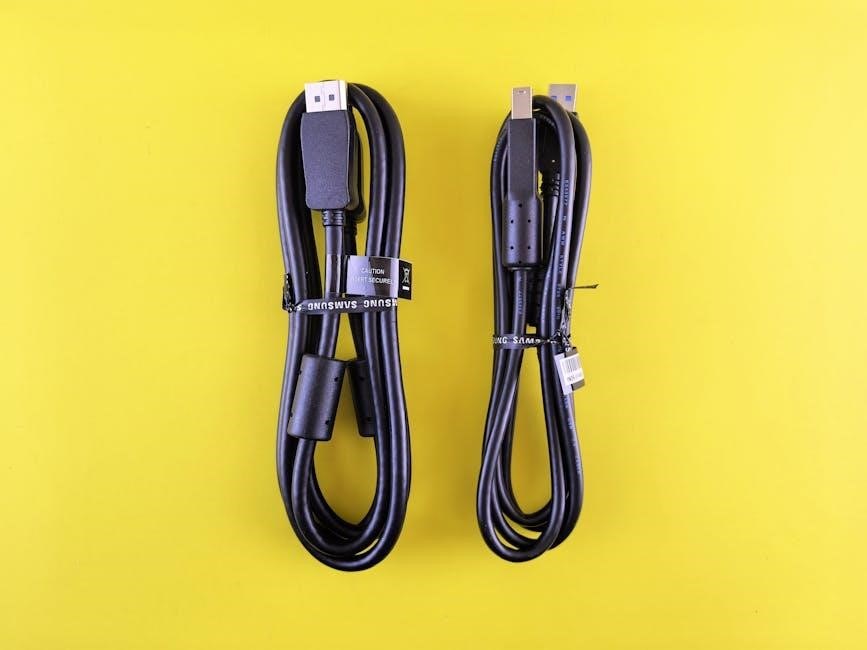
Upon unboxing your ScanSnap iX500, you’ll find several key components ensuring a smooth setup and operation․ The package includes the ScanSnap iX500 scanner unit itself, designed for compact desktop use․ A dedicated AC adapter and power cord are provided for reliable power supply․ Crucially, the package contains a USB cable for connecting the scanner to your computer, facilitating data transfer and control․
Furthermore, a detailed setup guide is included, offering step-by-step instructions for both hardware and software installation․ You’ll also receive a software installation disc (or instructions for downloading the latest version), containing the ScanSnap Home software․ Finally, a quick reference guide provides handy tips and troubleshooting information to get you started quickly․ Refer to the full operating instructions manual, available online, for a comprehensive list and detailed explanations․
Hardware Installation
Setting up the ScanSnap iX500’s hardware is a straightforward process․ Begin by carefully removing the scanner and all accessories from the packaging․ Connect the provided AC adapter to the scanner and plug it into a power outlet․ Next, use the included USB cable to connect the scanner to an available USB port on your computer – ensure a secure connection․
The scanner is designed for direct connection; no additional hardware is typically required․ Once connected, power on the scanner using the power button․ The scanner will initiate a self-test․ Consult the operating instructions manual for detailed diagrams and troubleshooting tips if you encounter any issues during this initial hardware setup․ Proper connection is vital for optimal performance․
Software Installation (Windows)
To install the ScanSnap iX500 software on Windows, begin by downloading the latest version from the official Fujitsu support website․ Run the downloaded executable file and follow the on-screen instructions․ The installer will guide you through accepting the license agreement, selecting the installation location, and choosing desired components․
During installation, ensure your computer is connected to the internet for automatic driver updates․ The software package includes ScanSnap Home, the primary scanning application․ After installation, restart your computer if prompted․ Refer to the downloadable manual (PDF) for detailed step-by-step instructions and troubleshooting assistance if needed․
Software Installation (Mac OS)
Installing the ScanSnap iX500 software on Mac OS begins with downloading the latest installer from the official Fujitsu support website․ Double-click the downloaded DMG file to mount the disk image․ Drag the ScanSnap icon to the Applications folder to initiate the installation process․
Follow the on-screen prompts, accepting the license agreement and granting necessary permissions․ The installation package includes ScanSnap Home, the central scanning application․ It’s recommended to download the full operating instructions manual (PDF) for offline access․ Ensure a stable internet connection during installation for optimal driver updates․ A restart may be required upon completion․

Basic Operations
The ScanSnap iX500 simplifies document handling with easy loading, single/multi-sheet scanning, and efficient PDF creation, as detailed in the provided manuals․
Loading Documents
Proper document loading is crucial for seamless scanning with the ScanSnap iX500․ The scanner accommodates various paper sizes and types, but ensuring correct alignment is key to avoiding jams․ Refer to the official operating instructions manual available on ManualsLib for detailed guidance․
Documents should be neatly stacked and free from staples, paper clips, or excessive folds․ The automatic document feeder (ADF) is designed to handle a substantial stack, but exceeding the recommended capacity can lead to issues․ Always check the manual for the specific ADF capacity of your iX500 model․
For optimal results, fan the paper before loading to prevent sheets from sticking together; Gently insert the stack into the ADF, ensuring it’s flush against the guides․ Incorrect loading can cause skewed scans or paper jams, so consult the downloadable PDF manual from Fujitsu’s support website for visual aids and troubleshooting tips․
Scanning Documents ― Single Sheet
Scanning a single sheet with the ScanSnap iX500 is a straightforward process․ Begin by ensuring the scanner is powered on and connected to your computer․ Place the document face-up in the designated single-sheet feeding slot, aligning it with the guides․
Launch the ScanSnap Home software and select a pre-configured profile or create a new one tailored to your needs․ Initiate the scan from the software interface; the iX500 will automatically pull the sheet through and digitize it․

Refer to the comprehensive operating instructions manual, downloadable from the official Fujitsu support website, for detailed steps and troubleshooting․ The manual provides visual aids and explains how to adjust settings for optimal scan quality․ Remember to consult the manual for specific guidance on handling delicate or unusually sized documents;
Scanning Documents — Multiple Sheets (Automatic Document Feeder)
Utilizing the Automatic Document Feeder (ADF) on the ScanSnap iX500 streamlines bulk scanning․ Stack your documents neatly, ensuring they are aligned and free of staples or paper clips․ Adjust the ADF guides to securely hold the papers without causing jams․
Within the ScanSnap Home software, select a suitable profile or create a new one optimized for multi-page documents․ Initiate the scan, and the iX500 will automatically feed each sheet through, digitizing them sequentially․
The Fujitsu operating instructions manual, available for download, details ADF capacity and best practices for preventing paper jams․ It also explains how to configure settings for duplex scanning and automatic document separation․ Always consult the manual for optimal performance and troubleshooting guidance․
Scanning to PDF
The ScanSnap iX500 excels at creating PDF documents directly from both single sheets and multi-page documents using the ADF․ Within the ScanSnap Home software, selecting a PDF profile is straightforward․ You can choose from various pre-configured settings or customize options like resolution and color depth․
The resulting PDF files are compact yet retain excellent image quality․ The official Fujitsu manuals emphasize the importance of selecting the appropriate PDF settings based on your intended use – archiving, sharing, or editing․
Refer to the downloadable operating instructions for detailed guidance on optimizing PDF creation, including options for security features like password protection․ The Ricoh supplemental guide also provides helpful tips․

Advanced Scanning Features
The iX500’s advanced features, detailed in its manuals, include OCR for searchable PDFs, scanning directly to Word/Excel, and efficient duplex scanning capabilities․
Scanning to Searchable PDF (OCR)
The ScanSnap iX500 excels at creating searchable PDFs through Optical Character Recognition (OCR) technology․ This feature, thoroughly explained in the accompanying manuals, transforms scanned documents into fully editable and searchable files․ The process allows users to easily locate specific information within lengthy documents, significantly boosting productivity․
ScanSnap Home software facilitates this process, offering options to select the desired OCR language for accurate text conversion․ The resulting PDF retains the original document’s formatting while adding a hidden text layer, enabling precise keyword searches․ Users can access detailed instructions on optimizing OCR settings and troubleshooting potential issues within the official Fujitsu documentation, ensuring a seamless and efficient workflow․
Scanning to Word/Excel
The ScanSnap iX500, guided by its comprehensive manual, simplifies converting scanned documents directly into editable Word or Excel files․ Utilizing OCR technology, the scanner accurately extracts text and data from images, preserving formatting as much as possible during the conversion process․ ScanSnap Home software provides intuitive options for selecting the desired output format – ․docx for Word or ․xlsx for Excel – streamlining workflow․
The manual details how to optimize scan settings for improved accuracy, particularly with complex layouts or tables․ Users can refine the conversion process, ensuring data integrity and minimizing the need for manual corrections․ Accessing the official Fujitsu support resources provides troubleshooting tips and guidance for achieving optimal results․
Duplex Scanning
The ScanSnap iX500 excels at duplex scanning, automatically capturing both sides of a document in a single pass, as detailed in the user manual․ This feature significantly reduces scanning time and paper handling․ The manual clearly illustrates how to load documents for duplex scanning, ensuring proper alignment and preventing jams․ ScanSnap Home software automatically detects and combines the two sides, creating a single, multi-page document․
Users can configure duplex settings, including page size and orientation, within the software․ The manual provides troubleshooting steps for addressing issues like skewed images or incomplete scans․ Utilizing this capability enhances efficiency, making it ideal for scanning contracts, reports, and other two-sided materials․
Color and Grayscale Scanning Options
The ScanSnap iX500 provides versatile color and grayscale scanning options, configurable through the ScanSnap Home software, as explained in the operating instructions manual․ Users can select from full color, grayscale, or black-and-white modes depending on their document needs․ The manual details how these settings impact file size and image quality․
Choosing grayscale or black-and-white can significantly reduce file sizes, ideal for text-heavy documents․ Color scanning is best for photographs or documents with important color information․ The manual guides users through adjusting color settings for optimal results․ Experimenting with these options allows for tailored scans, balancing quality and storage efficiency․

Software Overview ― ScanSnap Home
ScanSnap Home software, detailed in the manual, centralizes scanning operations, profile management, and document organization for the iX500 scanner․
ScanSnap Home Interface
The ScanSnap Home interface is designed for intuitive operation, streamlining the scanning process․ As detailed in the official manual, the main window provides quick access to core functions like scanning, profile selection, and document management․
Users will find clearly labeled buttons for common tasks, alongside a preview area displaying scanned images․ The interface supports drag-and-drop functionality for easy file organization․ Profile settings, crucial for automated workflows, are readily accessible․ The manual emphasizes the customizable nature of the interface, allowing users to tailor it to their specific needs․
Furthermore, ScanSnap Home integrates cloud services directly within the interface, simplifying document storage and sharing․ The layout prioritizes efficiency, ensuring a smooth and productive scanning experience, as thoroughly explained in the provided documentation․
Profile Creation and Management
ScanSnap Home’s profile system is central to efficient scanning, as highlighted in the official manual․ Profiles store customized settings – resolution, color mode, file format, and destination folder – for different document types․ Creating a profile involves defining these parameters, then assigning a descriptive name for easy recall․
The manual details how to manage existing profiles, allowing users to edit, duplicate, or delete them as needed․ This flexibility is key to adapting to evolving scanning requirements․ Profiles can be organized into categories for improved clarity․
Furthermore, the software supports profile sharing, enabling collaboration among users․ Properly configured profiles automate repetitive tasks, significantly reducing scanning time and ensuring consistent results, as demonstrated in the documentation․
Document Organization and Filing
ScanSnap Home streamlines document organization, as detailed in the operating instructions manual․ Scanned files can be automatically named using customizable templates incorporating dates, keywords, or sequential numbers․ The software supports hierarchical folder structures, allowing for logical categorization of documents by project, client, or date․
The manual explains how to utilize ScanSnap’s intelligent document classification features, which automatically sort scans into predefined folders based on content․ Users can also manually file documents post-scan, dragging and dropping them into the desired locations․

Effective filing practices, guided by the manual, ensure quick retrieval of important information, enhancing productivity and reducing paper clutter․ Consistent naming conventions and folder structures are strongly recommended․
Cloud Integration (Google Drive, Dropbox, etc․)
The ScanSnap iX500 seamlessly integrates with popular cloud services like Google Drive and Dropbox, as outlined in the ScanSnap Home manual; Users can directly scan documents and automatically upload them to their preferred cloud storage, eliminating the need for manual file transfers․
The manual details the setup process for each cloud service, requiring users to authorize ScanSnap Home to access their accounts․ Once connected, scans can be automatically saved to designated folders within the cloud․
This integration facilitates easy access to documents from any device with an internet connection, promoting collaboration and data backup․ Secure cloud storage ensures data protection and accessibility․

Maintenance and Troubleshooting
Regular cleaning and paper jam removal, detailed in the ScanSnap iX500 manual, are crucial for optimal performance and longevity of the device․
Cleaning the Scanner
Maintaining a clean ScanSnap iX500 is vital for consistent, high-quality scans․ The official operating instructions manual emphasizes regular cleaning to prevent dust and debris buildup, which can cause scanning errors or paper jams․ Before cleaning, always disconnect the scanner from the power source․ Use a soft, lint-free cloth, lightly dampened with water or isopropyl alcohol, to gently wipe the scanner glass and rollers․
Avoid abrasive cleaners or excessive moisture, as these can damage the delicate components․ Pay particular attention to the document feed path, removing any visible paper particles․ The manual provides detailed diagrams illustrating the key areas requiring cleaning․ Consistent cleaning, as outlined in the documentation, ensures reliable operation and extends the lifespan of your ScanSnap iX500․
Paper Jam Removal
Addressing paper jams in the ScanSnap iX500 requires careful attention to avoid damaging the scanner․ The operating instructions manual details a step-by-step procedure for safe removal․ First, power off the scanner and disconnect it from the power source; Gently pull the jammed paper in the direction of the paper path, avoiding forceful tearing․
Inspect the entire paper path, including the rollers and document exit area, to ensure all fragments are removed․ The manual includes diagrams illustrating common jam locations․ If paper is difficult to remove, consult the troubleshooting section for specific guidance․ Never use sharp objects to dislodge jammed paper, as this could cause internal damage․ Proper jam removal, as described in the manual, restores scanning functionality․
Error Messages and Solutions
The ScanSnap iX500 displays various error messages indicating potential issues․ The comprehensive operating instructions manual provides detailed explanations and solutions for each error code․ Common errors include paper jams (addressed separately), connectivity problems, and software malfunctions․ The manual guides users through troubleshooting steps, such as checking cable connections, restarting the scanner and software, and updating firmware․
For persistent errors, the manual suggests consulting the Fujitsu support website for further assistance and downloadable resources․ Error messages often pinpoint the source of the problem, enabling targeted solutions․ Ignoring error messages can lead to scanner damage or reduced performance; therefore, referencing the manual is crucial for effective resolution․
Firmware Updates
Maintaining up-to-date firmware is crucial for optimal ScanSnap iX500 performance and compatibility․ The official Fujitsu support website provides the latest firmware versions and detailed instructions for installation․ Firmware updates often include bug fixes, enhanced features, and improved support for new operating systems․ The manual emphasizes the importance of following the update process carefully to avoid potential issues․
Before initiating an update, it’s recommended to back up important data and ensure a stable power supply․ The update process typically involves downloading the firmware file and running a dedicated update utility․ Regularly checking for updates ensures the scanner functions efficiently and benefits from the latest improvements, as highlighted in the user manual․

Specifications
The ScanSnap iX500 boasts detailed technical specifications, including supported operating systems and power requirements, readily available in the comprehensive user manual․
Technical Specifications
The Fujitsu ScanSnap iX500 is a compact and powerful scanner designed for both home and office use․ It features a color CMOS sensor and supports automatic document feeding (ADF)․ The scanner achieves a resolution of up to 600 dpi, ensuring clear and detailed scans․ It handles various paper sizes, including A4, A5, B5, and letter․
Connectivity options include USB 2․0․ The iX500 boasts a daily capacity of up to 50 pages, making it suitable for moderate to high-volume scanning tasks․ Its dimensions are relatively small, facilitating easy placement on a desk․ The scanner’s power requirements are standard, and detailed specifications are thoroughly documented within the official operating instructions manual available for download․
Supported Operating Systems
The ScanSnap iX500 demonstrates broad compatibility across popular operating systems, ensuring seamless integration into diverse computing environments․ Officially, the scanner supports both Windows and macOS․ Specific Windows versions include compatibility with a range of iterations, from older systems to more recent releases․
For macOS users, the iX500 is designed to work effectively with various macOS versions, providing a consistent scanning experience․ Detailed operating system requirements and compatibility information are comprehensively outlined in the downloadable operating instructions manual, accessible through Fujitsu’s official support website; This ensures users can verify optimal performance and functionality․
Power Requirements
The ScanSnap iX500 is designed for standard power operation, ensuring convenient use in most office or home environments․ The scanner requires a standard AC power input, typically ranging from 100-240V, accommodating various regional power standards․ A dedicated AC adapter is included with the package to facilitate this connection․
Detailed power specifications, including the adapter’s output voltage and current, are clearly documented within the official operating instructions manual available for download․ Proper adherence to these specifications is crucial for optimal performance and longevity of the device․ Users should consult the manual for specific details regarding power consumption and safety guidelines․

Resources and Support
Fujitsu provides comprehensive support, including an official website, downloadable manuals, and FAQs, to assist users with their ScanSnap iX500 experience․
Official Fujitsu Support Website
The official Fujitsu support website serves as a central hub for ScanSnap iX500 users seeking assistance․ Here, you’ll discover a wealth of resources designed to enhance your scanning experience․ This includes access to the latest drivers, software updates, and troubleshooting guides specifically tailored for the iX500 model․
Fujitsu’s online portal offers detailed documentation, covering everything from initial setup to advanced scanning features․ Users can browse a comprehensive knowledge base, search for solutions to common issues, and even submit support requests directly to Fujitsu’s technical team․ The website also provides links to downloadable manuals, including the operating instructions manual available on ManualsLib, ensuring users have readily available offline resources․ Regularly checking the official website guarantees you’re equipped with the most current information and support tools for your ScanSnap iX500․
Downloadable Manuals (PDF)
Accessing PDF manuals for the ScanSnap iX500 provides convenient offline support․ Fujitsu and resources like ManualsLib offer downloadable operating instructions, ensuring assistance is available even without an internet connection․ These manuals detail everything from hardware installation and software setup to basic and advanced scanning operations․
Ricoh’s supplemental guides, alongside the main Fujitsu documentation, offer valuable insights into specific features and troubleshooting steps․ Downloading the PDF versions allows users to consult the information at their leisure, making it ideal for reference during setup or when addressing technical challenges․ The Internet Archive also hosts user manuals, expanding access to historical documentation․ Having these PDFs readily available empowers users to maximize their ScanSnap iX500’s capabilities․
Frequently Asked Questions (FAQ)
Finding quick answers to common ScanSnap iX500 issues is facilitated through readily available FAQs․ While a dedicated, centralized FAQ resource isn’t explicitly highlighted in the provided snippets, the existence of extensive manuals from Fujitsu and Ricoh implies solutions to typical user queries are documented․
Users often seek guidance on initial setup, software installation (both Windows and Mac OS), and resolving paper jam errors․ Questions regarding OCR functionality, duplex scanning, and cloud integration are also prevalent․ Consulting the downloadable PDF manuals and the official Fujitsu support website will likely address these concerns․ Exploring online forums and communities dedicated to ScanSnap products can also provide peer-to-peer support and answers to frequently encountered problems․