

Understanding Heatcraft Evaporators
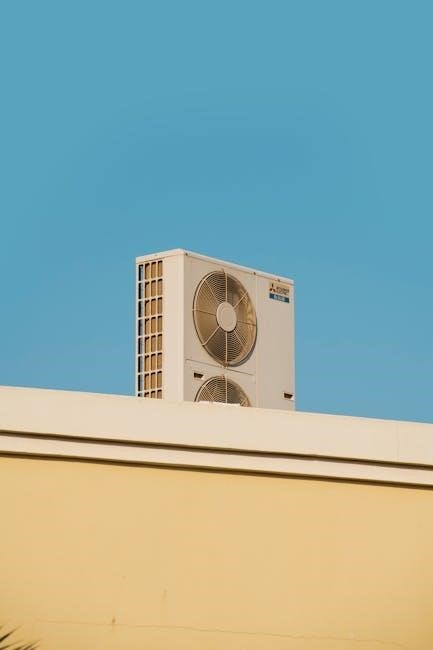
Heatcraft evaporators, crucial for refrigeration systems, feature redesigned, low-profile units with frontal access for easier maintenance and quieter operation, as seen in 2025.
What is a Heatcraft Evaporator?
Heatcraft evaporators are essential components within commercial refrigeration systems, responsible for absorbing heat and facilitating the cooling process. These units, highlighted in recent updates from 2025, are designed for diverse applications, including supermarkets, food processing plants, and cold storage facilities.
They function by allowing a refrigerant to evaporate, drawing heat from the surrounding environment. Recent models showcase a low-profile design with improved accessibility to electrical and refrigeration components, simplifying maintenance procedures. The focus on quiet operation, achieved through panel isolation, is a key feature. Understanding their role is vital for efficient system performance and longevity.
Types of Heatcraft Evaporators
Heatcraft offers a range of evaporator types tailored to specific refrigeration needs. While detailed categorization isn’t fully available in the provided context, the recent emphasis (2025) points towards a focus on low-profile designs. These are likely available in various configurations – potentially including unit coolers for walk-in coolers and freezers, and display case evaporators for retail environments.
The advancements highlight a trend towards compact, accessible units. Further research would reveal distinctions based on airflow patterns (draw-through or push-through), coil materials, and defrost capabilities. Understanding these variations is crucial for selecting the optimal evaporator for a given application and ensuring efficient cooling performance.
Heatcraft Evaporator Manual: Key Components
Heatcraft evaporator components include the coil, fan motor, and defrost system – all designed for efficient cooling, with recent models prioritizing accessibility and quiet operation.
Coil Design and Materials
Heatcraft evaporator coils are engineered for optimal heat transfer and durability, utilizing advanced fin designs to maximize surface area. Construction commonly involves copper tubing, known for its excellent thermal conductivity, paired with aluminum fins to balance performance and cost-effectiveness.
The specific materials and coil geometry vary depending on the evaporator model and intended application, ranging from standard configurations to specialized designs for low-temperature or corrosive environments. Recent advancements focus on coatings to enhance corrosion resistance and antimicrobial properties, extending coil lifespan and maintaining hygiene.
Proper coil maintenance, including regular cleaning, is vital to preserve efficiency and prevent performance degradation.
Fan Motor Specifications
Heatcraft evaporators utilize fan motors designed for reliable airflow and energy efficiency. Specifications vary by model, but commonly include PSC (Permanent Split Capacitor) motors for single-phase applications and, increasingly, ECM (Electronically Commutated Motors) for variable speed control.
ECM technology offers significant energy savings and improved temperature control. Horsepower ratings typically range from 1/4 HP to 1 HP, depending on the evaporator capacity and airflow requirements; Motors are often totally enclosed fan cooled (TEFC) for protection against contaminants.
Voltage and frequency must match the power supply; consult the unit’s nameplate for precise specifications.
Defrost System Overview
Heatcraft evaporators employ various defrost systems to prevent ice buildup, ensuring optimal performance. Electric defrost, utilizing heating elements within the coil, is common, activated by a timer or demand-based control. Hot gas defrost, leveraging refrigerant vapor, offers energy efficiency by utilizing waste heat from the compressor.
Air defrost, suitable for milder conditions, relies on ambient air circulation; Defrost cycles are crucial for maintaining cooling capacity and preventing damage to the evaporator coil. Proper defrost settings are vital; frequent or prolonged cycles waste energy, while insufficient defrost leads to ice accumulation.
Installation Procedures
Heatcraft evaporator installation demands careful mounting, precise refrigerant line connections, and adherence to strict electrical wiring requirements for safe, efficient operation.
Mounting and Positioning
Proper mounting and positioning are critical for optimal Heatcraft evaporator performance. Ensure the unit is securely fastened to a stable surface, capable of supporting its weight, including ice buildup. Maintain adequate clearance around the evaporator for airflow and service access – consult the specific model’s manual for precise dimensions.
Avoid locations exposed to direct sunlight or heat sources, as this can reduce cooling efficiency. Leveling the evaporator is essential for proper condensate drainage. Incorrect positioning can lead to uneven defrosting, reduced capacity, and potential component failure. Verify structural integrity before installation, and always follow local building codes.
Refrigerant Line Connections
Correct refrigerant line connections are paramount for system efficiency and longevity. Before connecting, thoroughly purge all lines to remove non-condensables and debris. Use only the specified fittings and brazing materials compatible with the refrigerant type. Ensure tight, leak-proof connections, employing proper brazing techniques to prevent contamination.
Properly insulate all refrigerant lines to minimize heat gain or loss. Verify the correct line sizes according to the unit’s specifications. Incorrect connections can lead to reduced capacity, compressor damage, and system failure. Always pressure test the system after connection and before charging with refrigerant.
Electrical Wiring Requirements
Adherence to local and national electrical codes is crucial during installation. Verify the evaporator’s voltage and phase requirements match the available power supply. Use appropriately sized wiring and overcurrent protection devices (circuit breakers or fuses) as specified on the unit’s nameplate.
Ensure a dedicated circuit is provided for the evaporator to prevent voltage fluctuations. Ground the unit properly for safety. All wiring connections must be secure and protected from moisture and physical damage. Disconnect power before making any electrical connections or servicing the unit.
Operational Guidelines
Maintaining optimal temperatures and airflow is vital for efficient performance, mirroring the precision seen in the 2025 Australian Grand Prix’s logistical operations.
Optimal Operating Temperatures
Achieving peak efficiency with your Heatcraft evaporator hinges on maintaining precise operating temperatures. These vary based on the specific model and intended application – frozen food storage demands significantly lower temperatures than refrigerated displays. Generally, evaporator coils should operate between 25°F and 40°F (-4°C and 4°C) for optimal performance.
Consistent monitoring using reliable thermometers is crucial. Deviations from recommended ranges can lead to reduced cooling capacity, increased energy consumption, and potential damage to the unit. Remember, like a finely-tuned Formula 1 engine, precise control is key to maximizing output and longevity. Regular checks and adjustments are essential for sustained, reliable operation.
Airflow Considerations
Proper airflow is paramount for efficient Heatcraft evaporator operation. Obstructions around the coil, such as stacked boxes or debris, severely restrict air circulation, diminishing cooling capacity. Ensure adequate space – typically several inches – around the unit for unrestricted airflow, much like optimizing aerodynamics on a Formula 1 car.
Fan speed settings should be adjusted based on load and ambient conditions. Regularly inspect fan blades for cleanliness and damage, as imbalances reduce efficiency. Consistent airflow across the evaporator coil ensures uniform cooling and prevents localized frost buildup, contributing to optimal performance and extended lifespan.
Refrigerant Charge Levels
Maintaining correct refrigerant charge is critical for Heatcraft evaporator performance. Both undercharging and overcharging negatively impact cooling efficiency and can damage the compressor, similar to how precise engine tuning affects an F1 car’s speed. Refer to the unit’s nameplate for the specified refrigerant type and charge weight.
Regularly check refrigerant levels using calibrated gauges. Leaks must be promptly identified and repaired by a qualified technician. Accurate charging ensures optimal heat transfer, prevents evaporator coil freezing, and maximizes energy efficiency, contributing to long-term reliability and reduced operating costs.

Troubleshooting Common Issues
Addressing problems like no cooling or frost buildup requires systematic diagnosis, mirroring the quick problem-solving seen in Formula 1 pit stops during the 2025 season.
No Cooling Performance
If a Heatcraft evaporator exhibits a lack of cooling, several factors must be investigated. First, verify the refrigerant charge level; insufficient refrigerant is a common cause. Next, inspect the fan motor to ensure proper operation and airflow across the coil.
Check for obstructions blocking airflow, such as excessive frost buildup or debris accumulation. A malfunctioning defrost system can contribute to this. Electrical connections should be examined for looseness or corrosion, potentially interrupting power to critical components.
Finally, assess the compressor’s functionality, as its failure directly impacts cooling capacity, much like a mechanical issue halting a Formula 1 car during a race, as observed in the 2025 Australian Grand Prix.
Excessive Frost Buildup
Significant frost accumulation on a Heatcraft evaporator typically indicates a defrost system malfunction. Verify the defrost timer is initiating cycles correctly and that the defrost heaters are functioning effectively. Inspect the defrost termination thermostat, ensuring it’s accurately sensing coil temperature.
Air leaks into the refrigerated space can also exacerbate frost buildup by introducing moisture. Check door seals and any potential entry points for air infiltration.
Similar to how McLaren dominated in the 2025 Australian Grand Prix, a properly functioning system needs all components working in harmony; a faulty defrost cycle will quickly lead to reduced efficiency and performance.
Fan Motor Malfunctions
Fan motor issues present as either a complete failure to start, erratic operation, or unusual noises. First, verify the electrical supply to the motor, checking voltage and connections. Inspect the fan blades for obstructions or damage that could cause imbalance and strain.
Consider that, much like Lando Norris’s consistent performance in the 2025 Australian Grand Prix, a reliable fan motor is crucial for consistent cooling.
If the motor hums but doesn’t turn, the capacitor may be faulty and require replacement. Always disconnect power before performing any electrical checks or repairs.

Maintenance and Cleaning
Regular coil cleaning, fan blade inspections, and timely filter replacements are essential for optimal Heatcraft evaporator performance and longevity, mirroring F1’s meticulous upkeep.
Coil Cleaning Procedures
Maintaining clean evaporator coils is paramount for efficient heat transfer and system performance. Begin by disconnecting power to the unit for safety, mirroring the precision of an F1 pit stop. Use a specialized coil cleaner, applying it evenly across the coil surface, avoiding excessive saturation. Allow the cleaner to dwell according to the manufacturer’s instructions, then gently rinse with low-pressure water – a soft brush can aid in removing stubborn debris.
Ensure thorough rinsing to prevent cleaner residue from affecting performance. Inspect the coil fins for damage and carefully straighten any bent fins with a fin comb. Proper coil cleaning not only improves efficiency but also extends the lifespan of the Heatcraft evaporator, much like consistent maintenance benefits an F1 car.
Fan Blade Inspection
Regular fan blade inspection is critical for optimal airflow and cooling capacity, akin to aerodynamic adjustments on a Formula 1 vehicle. With the power disconnected, carefully examine each blade for cracks, chips, or signs of imbalance. Check for debris accumulation that could disrupt airflow or cause vibration.
Ensure the blades are securely fastened to the motor shaft and that there’s no excessive play. Clean the blades with a mild detergent and water, then thoroughly dry them. If any damage is detected, replace the blades immediately to prevent further issues and maintain consistent performance, mirroring the swift repairs in the F1 paddock.
Filter Replacement Schedule
Maintaining clean filters is paramount for efficient evaporator operation, much like optimizing airflow for an F1 car’s engine. A general guideline suggests replacing filters monthly, however, frequency depends on the operating environment. Dusty or high-traffic areas necessitate more frequent changes – potentially weekly.
Inspect filters regularly; if they appear heavily soiled, replace them immediately. Using high-quality filters improves airflow and protects the evaporator coil. Document filter replacement dates for tracking and adherence to a consistent schedule, ensuring peak performance and preventing system strain, similar to meticulous data analysis in Formula 1.

Safety Precautions
Always prioritize electrical safety and proper refrigerant handling when servicing Heatcraft evaporators, mirroring the precision and safety standards of Formula 1 pit stops.
Electrical Safety Guidelines
Prior to any maintenance or repair work on a Heatcraft evaporator, always disconnect the electrical power supply at the breaker. Verify the power is off using a reliable voltage tester to prevent accidental shock. Ensure all electrical connections are tight and properly insulated, mirroring the meticulous attention to detail found in Formula 1 car construction.
Never work on live electrical components. Inspect wiring for damage – frayed insulation or loose connections – and replace as needed. Grounding is critical; confirm the unit is properly grounded according to local electrical codes. Use appropriate personal protective equipment (PPE), including insulated gloves and safety glasses. If unsure about any electrical aspect, consult a qualified electrician, just as F1 teams rely on specialized engineers.
Refrigerant Handling Procedures
Always adhere to EPA regulations regarding refrigerant handling, recovery, and disposal. Refrigerant leaks can harm the environment and pose health risks. Utilize certified recovery equipment when servicing the system, mirroring the precision of an F1 pit stop. Never vent refrigerant into the atmosphere.
Wear appropriate personal protective equipment, including eye protection and gloves, when handling refrigerant. Properly label all refrigerant containers. If a leak is detected, immediately isolate the system and contact a qualified technician. Ensure adequate ventilation during any refrigerant handling procedures. Follow all safety data sheet (SDS) guidelines for the specific refrigerant used.
Personal Protective Equipment
Prioritize safety by always wearing appropriate personal protective equipment (PPE) when working with Heatcraft evaporators. This includes safety glasses or a face shield to protect against debris and potential refrigerant splashes – akin to a driver’s helmet. Wear work gloves to prevent skin contact with refrigerants and sharp edges.
Closed-toe shoes are essential for foot protection. Depending on the task, consider using hearing protection, especially when working near the fan motor. If refrigerant leaks are suspected, utilize a respirator approved for refrigerant exposure. Proper PPE minimizes risks during installation, maintenance, and troubleshooting.
Heatcraft Evaporator Model Numbers & Identification
Decoding the model number and locating the serial number are vital for accurate parts ordering and accessing specific Heatcraft evaporator documentation.
Decoding Model Numbers
Heatcraft evaporator model numbers contain crucial information about the unit’s specifications and features. Understanding this coding system allows for precise identification and ordering of replacement parts. Typically, the number begins with a series identifier, indicating the evaporator type – for example, remote or display case. Subsequent digits denote coil dimensions, motor horsepower, and specific design configurations.
Further breakdown reveals details about defrost capabilities, voltage requirements, and refrigerant type. Consulting the official Heatcraft documentation, specifically the evaporator manual, is essential for a complete interpretation of each digit within the model number. This ensures accurate part selection and proper system maintenance, maximizing operational efficiency and longevity.
Locating the Serial Number
The serial number is vital for identifying your specific Heatcraft evaporator model, accessing warranty information, and ordering correct replacement parts. Typically, the serial number is found on a metal identification plate affixed to the evaporator unit’s cabinet. This plate is often located on the exterior, near the fan motor or electrical connection point.
Carefully inspect all sides of the unit, as placement can vary slightly depending on the model. Record the complete serial number accurately, as even a single digit error can hinder service requests or parts ordering. Refer to the Heatcraft evaporator manual for precise location details specific to your unit’s configuration.

Advanced Features & Technologies
Modern Heatcraft evaporators integrate EC motor technology and variable speed control for enhanced efficiency, alongside remote monitoring capabilities for proactive system management.
EC Motor Technology
Electronically Commutated (EC) motors represent a significant advancement in Heatcraft evaporator design, offering substantial improvements over traditional shaded-pole motors. These motors utilize electronic commutation, resulting in significantly higher efficiency – often exceeding 85% compared to the 50-70% efficiency of shaded-pole alternatives. This translates directly into reduced energy consumption and lower operating costs for refrigeration systems.
Furthermore, EC motors provide precise speed control, allowing for optimized airflow and temperature regulation. This capability is crucial for maintaining consistent product temperatures and minimizing temperature fluctuations. The enhanced control also contributes to quieter operation, a valuable feature in noise-sensitive environments. EC motors also boast a longer lifespan and reduced maintenance requirements, enhancing the overall reliability of Heatcraft evaporators.
Variable Speed Control
Heatcraft evaporators equipped with variable speed control offer a dynamic approach to refrigeration, adapting to fluctuating cooling demands. Unlike traditional on/off systems, variable speed technology allows the fan motor to operate at precisely the speed required, optimizing energy efficiency and minimizing temperature swings. This precise control is particularly beneficial in applications with varying load conditions.
By matching cooling capacity to actual needs, variable speed control reduces compressor cycling, extending its lifespan and lowering maintenance costs. It also contributes to quieter operation and improved product preservation by maintaining consistent temperatures. This technology, often paired with EC motors, delivers significant performance gains and operational savings for Heatcraft evaporator users.
Remote Monitoring Capabilities
Advanced Heatcraft evaporator models increasingly incorporate remote monitoring capabilities, providing users with real-time insights into system performance. These systems leverage connectivity to transmit critical data – including temperatures, defrost cycles, and energy consumption – to a centralized platform accessible via web or mobile applications.
This proactive monitoring allows for early detection of potential issues, enabling timely maintenance and preventing costly downtime. Users can set custom alerts for temperature deviations or equipment malfunctions, ensuring swift response. Remote access also simplifies troubleshooting and performance analysis, optimizing system efficiency and extending equipment life, contributing to substantial operational benefits.